Buy tantranamaste.eu ?
We are moving the project
tantranamaste.eu .
Are you interested in purchasing the domain
tantranamaste.eu ?
domain@kv-gmbh.de · 0541-91531010
Buy tantranamaste.eu ?
What is imperialism in the 17th century?
Imperialism in the 17th century refers to the expansion of European powers, particularly Spain, Portugal, England, France, and the Netherlands, into other parts of the world through colonization and conquest. These European powers sought to establish control over territories in Africa, Asia, and the Americas in order to exploit their resources, establish trade routes, and spread their influence. This period saw the rise of mercantilism, where colonies were seen as sources of wealth and raw materials for the imperial powers. Imperialism in the 17th century was characterized by the establishment of colonial empires and the exploitation of indigenous peoples and resources. **
Was there magic in the 17th century?
Yes, the 17th century was a time when belief in magic was still prevalent in many parts of the world. Practices such as alchemy, astrology, and witchcraft were still widely believed in and practiced. Many people believed in the existence of supernatural forces and the ability to harness them for various purposes. However, as the century progressed, the Age of Enlightenment brought about a decline in belief in magic and an increase in scientific understanding, leading to the eventual decline of magical beliefs. **
Similar search terms for 17th-century
Top-Angebote
Products related to 17th-century:
-
No Mid-Century DeskA perfectly-sized desk, a detachable 360° adjustable overhead lamp, and all the tech accessibility you'd want (a power outlet, as well as USB and USB-C charging ports) packed into one product you'll love. This is the modern desk you've always wanted.243,99 $*Shipping: 0,00 $Secure redirect to the provider
-
Baxton Studio Mid-Century LoveseatProvide cozy and comfortable seating for two with a healthy dose of mid-century style with this loveseat by Baxton Studio. Reliable rubberwood framing provides strength and support with a timeless natural-brown finish.474,65 $*Shipping: 0,00 $Secure redirect to the provider



-
What was the fashion in the 17th century?
In the 17th century, fashion was characterized by elaborate and ornate clothing, particularly among the upper classes. Women's fashion included large, puffed sleeves, corsets, and full skirts, often made of luxurious fabrics such as silk and velvet. Men's fashion featured tailored suits with fitted jackets, breeches, and ruffled collars. Both men and women wore accessories such as lace, ribbons, and elaborate hats. The overall style was opulent and extravagant, reflecting the wealth and status of the wearer. **
-
Is there a timer for mindfulness training, meditation, yoga, and spirituality?
There is no set timer for mindfulness training, meditation, yoga, and spirituality as it varies from person to person. Some people may find it helpful to start with short sessions, such as 5-10 minutes, and gradually increase the duration as they become more comfortable. Others may prefer longer sessions right from the start. It's important to listen to your body and mind and find a timing that works best for you. The key is to be consistent and make it a regular practice in your daily routine. **
-
Can you write a story about the 17th century?
Once upon a time in the 17th century, in a small village nestled in the English countryside, a young woman named Elizabeth found herself caught in the midst of the English Civil War. As the conflict raged on, she struggled to protect her family and home from the chaos and violence that surrounded them. Through her resilience and determination, Elizabeth became a symbol of hope for her community, inspiring others to stand strong in the face of adversity. Despite the hardships of the era, Elizabeth's unwavering spirit and courage helped her and her loved ones persevere through the tumultuous times of the 17th century. **
-
Which businesses flourished in Lübeck in the 17th century?
In the 17th century, Lübeck was a thriving center for trade and commerce, and several businesses flourished in the city during this time. The city was known for its successful trading activities, particularly in grain, timber, and salt. Lübeck also had a strong shipbuilding industry, and its shipyards were busy constructing vessels for trade and exploration. Additionally, the city was home to a number of successful merchant and trading companies, which contributed to its economic prosperity during this period. **


What were the Old English names in the 17th century?
In the 17th century, Old English names were still commonly used, reflecting the Anglo-Saxon influence on English culture. Some popular male names included Æthelred, Alfred, and Edmund, while female names such as Æthelflæd, Eadgyth, and Ælfflæd were also common. These names often had meanings related to nobility, strength, and prosperity, reflecting the values of the time. Over time, many of these Old English names fell out of favor and were replaced by names of Norman and French origin. **
Why did men wear wide ruffled collars in the 17th century?
Men wore wide ruffled collars in the 17th century as a symbol of wealth and status. These elaborate collars, known as ruffs, were made of expensive fabrics like lace and linen, and required a significant amount of time and effort to create. They were also seen as a fashionable accessory that added a touch of elegance and sophistication to men's attire during this time period. **
Top-Angebote
Products related to 17th-century:
-
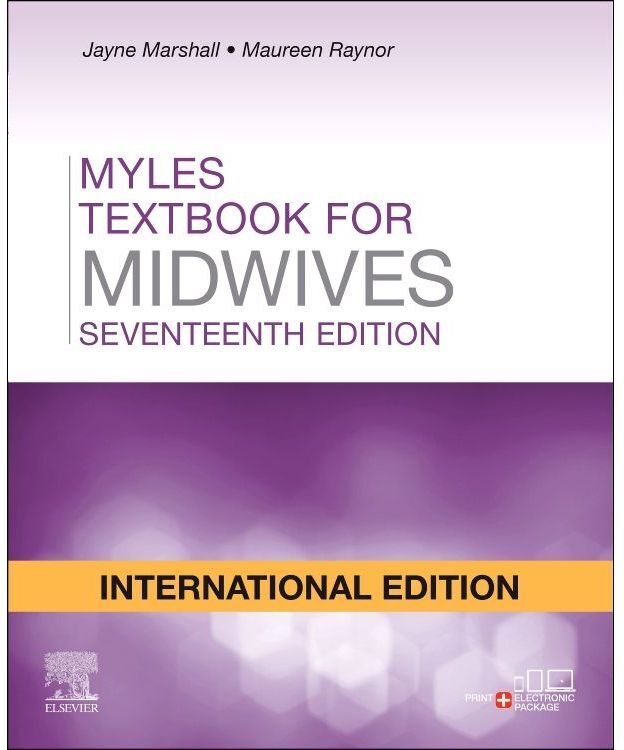
Elsevier Myles Textbook for Midwives, International Edition, 17th EditionWritten by midwives for midwives, Myles Textbook for Midwives has been the seminal textbook of midwifery for over 60 years. It offers comprehensive coverage of topics fundamental to 21st midwifery practice. Co-edited for the second time, by internationally renowned midwife educationalists, Professor Jayne E Marshall and Maureen D Raynor from the United Kingdom with a team of contributors from across the midwifery community it retains its clear, accessible writing style. Most chapters provide useful case studies, websites of key organisations and charities for individuals to access further information. Reflective questions at the end of each chapter as well as annotated further reading aid reflective learning and stimulate discussions relating to continuing professional development. The book covers key frameworks that govern midwifery practice, exploring ethical and legal frameworks that are essential to every accountable, autonomous, professional midwife. Includes employer-led models of supervision, vital elements of leadership and clinical governance that supports the provision of high quality maternity services and standards of midwifery practice. The concept of resilience is introduced for the reader to contemplate their personal contribution in creating an environment that is conducive to protecting the wellbeing of themselves and colleagues within the workplace. The text covers the UN 2030 Agenda for Sustainable Development, highlighting the importance of midwives as global citizens with common goals, and together they form a strong global community prepared to challenge social inequalities and take action to help end extreme poverty. Covers designing and implementing high quality midwifery care using evidence, policy and models of care. Highlights why a holistic and evidence-informed approach is necessary to achieve effective care for all. Working examples will help the reader to think critically about their own practice. For this edition several new chapters are introduced covering concealed pregnancy, fear of childbirth (tocophobia), care of the acutely unwell woman and end of life issues including rights of the fetus/neonate and ethical considerations.20,49 £*Shipping: 2,99 £Secure redirect to the provider
-
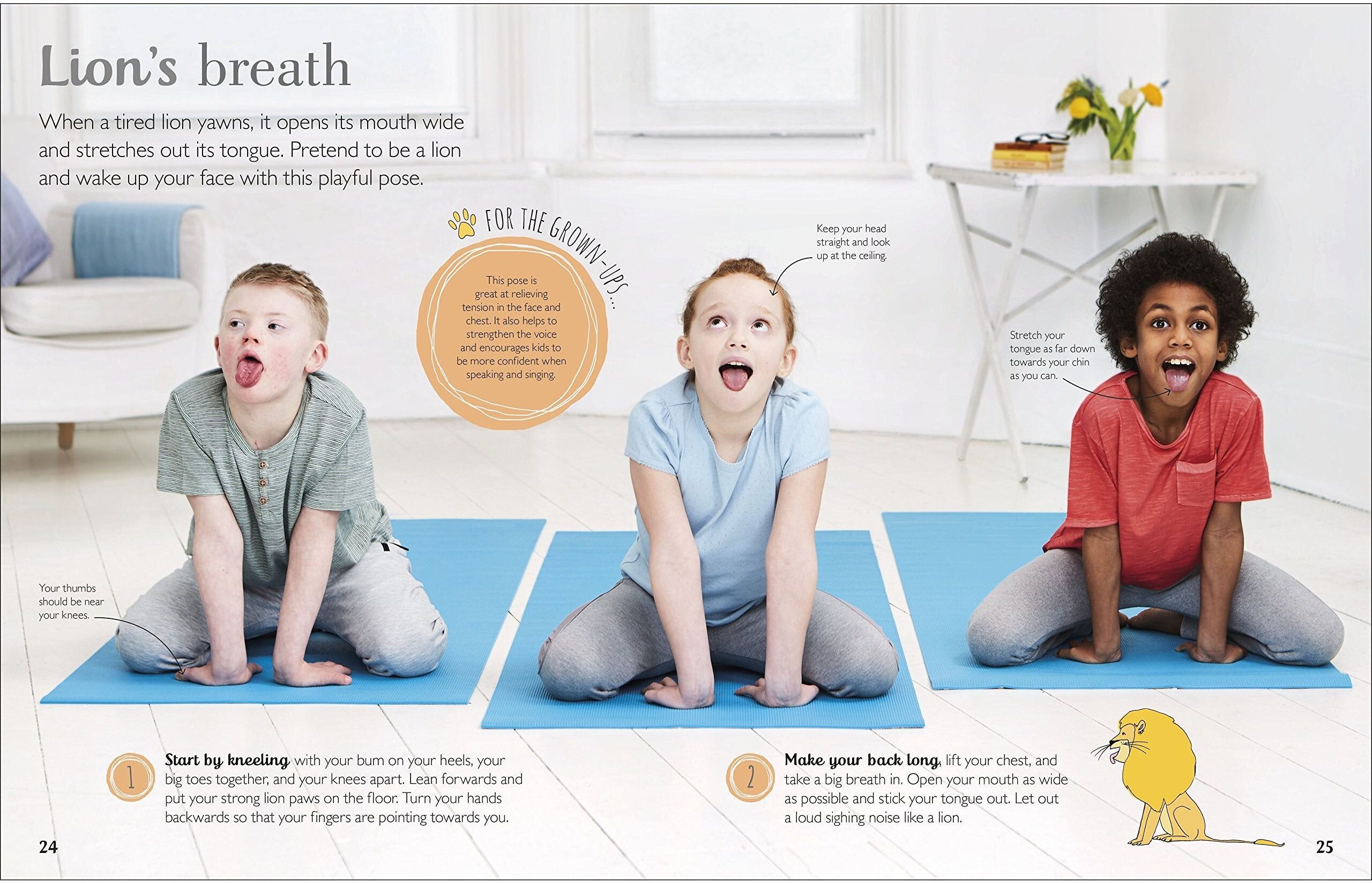
DK Yoga For Kids: Simple First Steps in Yoga and Mindfulness (Mindfulness for Kids) by Susannah HoffmanSimple first steps in yoga and mindfulness for your little one to discover!Yoga for Kids is a great way to teach your children about yoga, mindfulness, meditation and peace - whilst having fun at the same time! This all-encompassing guide includes everything you need to know about yoga for children. Encourage your child's curiosity as they explore simple variations of much-loved yoga poses, from the comfort of your own home!Dive straight in to discover:-Over 25 simple poses and yoga activities to explore-How to achieve maximum mindfulness and fun throughout each activity-Colourful illustrations and photographs showing yoga poses for kids to copy-Higher-level information allows parents to understand and ensure safety behind each poseYoga for Kids aims to teach children all about yoga and mindfulness using a strongly visual approach. Featuring exercises for the parents and children to explore independently or together, whether it's stretching into tree pose, bending into butterfly pose, succeeding with sun salutation or doing downward dog, your child can explore a series of fun and engaging yoga poses that'll keep them entertained for hours! Follow the activities presented in this yoga guide, and your little one can learn how to perfect their poses and become stronger and more confident too!The ideal yoga activity book for 6-9 year olds, this is a must-have volume for children who like moving, learning and bending! Whether you're a parent looking to encourage your child to relax, engage, focus and have fun, or you think your child may be experiencing anxiety and you're looking for a fun and mindful activity the family can enjoy together, this all-encompassing yoga book for children may be calling your name!Children's yoga expert Susannah Hoffman sets out to prove that supporting a child's positive mental health does not need to be expensive, difficult or even time-consuming.With this awe-inspiring activity book, your child can explore yoga poses that will help them de-stress and have fun at the same time!4,99 £*Shipping: 1,99 £Secure redirect to the provider
-
No Mid-Century DeskA perfectly-sized desk, a detachable 360° adjustable overhead lamp, and all the tech accessibility you'd want (a power outlet, as well as USB and USB-C charging ports) packed into one product you'll love. This is the modern desk you've always wanted.243,99 $*Shipping: 0,00 $Secure redirect to the provider
-
What is imperialism in the 17th century?
Imperialism in the 17th century refers to the expansion of European powers, particularly Spain, Portugal, England, France, and the Netherlands, into other parts of the world through colonization and conquest. These European powers sought to establish control over territories in Africa, Asia, and the Americas in order to exploit their resources, establish trade routes, and spread their influence. This period saw the rise of mercantilism, where colonies were seen as sources of wealth and raw materials for the imperial powers. Imperialism in the 17th century was characterized by the establishment of colonial empires and the exploitation of indigenous peoples and resources. **
-
Was there magic in the 17th century?
Yes, the 17th century was a time when belief in magic was still prevalent in many parts of the world. Practices such as alchemy, astrology, and witchcraft were still widely believed in and practiced. Many people believed in the existence of supernatural forces and the ability to harness them for various purposes. However, as the century progressed, the Age of Enlightenment brought about a decline in belief in magic and an increase in scientific understanding, leading to the eventual decline of magical beliefs. **
-
What was the fashion in the 17th century?
In the 17th century, fashion was characterized by elaborate and ornate clothing, particularly among the upper classes. Women's fashion included large, puffed sleeves, corsets, and full skirts, often made of luxurious fabrics such as silk and velvet. Men's fashion featured tailored suits with fitted jackets, breeches, and ruffled collars. Both men and women wore accessories such as lace, ribbons, and elaborate hats. The overall style was opulent and extravagant, reflecting the wealth and status of the wearer. **
-
Is there a timer for mindfulness training, meditation, yoga, and spirituality?
There is no set timer for mindfulness training, meditation, yoga, and spirituality as it varies from person to person. Some people may find it helpful to start with short sessions, such as 5-10 minutes, and gradually increase the duration as they become more comfortable. Others may prefer longer sessions right from the start. It's important to listen to your body and mind and find a timing that works best for you. The key is to be consistent and make it a regular practice in your daily routine. **
Similar search terms for 17th-century
-
Baxton Studio Mid-Century LoveseatProvide cozy and comfortable seating for two with a healthy dose of mid-century style with this loveseat by Baxton Studio. Reliable rubberwood framing provides strength and support with a timeless natural-brown finish.474,65 $*Shipping: 0,00 $Secure redirect to the provider
-
Can you write a story about the 17th century?
Once upon a time in the 17th century, in a small village nestled in the English countryside, a young woman named Elizabeth found herself caught in the midst of the English Civil War. As the conflict raged on, she struggled to protect her family and home from the chaos and violence that surrounded them. Through her resilience and determination, Elizabeth became a symbol of hope for her community, inspiring others to stand strong in the face of adversity. Despite the hardships of the era, Elizabeth's unwavering spirit and courage helped her and her loved ones persevere through the tumultuous times of the 17th century. **
-
Which businesses flourished in Lübeck in the 17th century?
In the 17th century, Lübeck was a thriving center for trade and commerce, and several businesses flourished in the city during this time. The city was known for its successful trading activities, particularly in grain, timber, and salt. Lübeck also had a strong shipbuilding industry, and its shipyards were busy constructing vessels for trade and exploration. Additionally, the city was home to a number of successful merchant and trading companies, which contributed to its economic prosperity during this period. **
-
What were the Old English names in the 17th century?
In the 17th century, Old English names were still commonly used, reflecting the Anglo-Saxon influence on English culture. Some popular male names included Æthelred, Alfred, and Edmund, while female names such as Æthelflæd, Eadgyth, and Ælfflæd were also common. These names often had meanings related to nobility, strength, and prosperity, reflecting the values of the time. Over time, many of these Old English names fell out of favor and were replaced by names of Norman and French origin. **
-
Why did men wear wide ruffled collars in the 17th century?
Men wore wide ruffled collars in the 17th century as a symbol of wealth and status. These elaborate collars, known as ruffs, were made of expensive fabrics like lace and linen, and required a significant amount of time and effort to create. They were also seen as a fashionable accessory that added a touch of elegance and sophistication to men's attire during this time period. **
* All prices are inclusive of VAT and, if applicable, plus shipping costs. The offer information is based on the details provided by the respective shop and is updated through automated processes. Real-time updates do not occur, so deviations can occur in individual cases. ** Note: Parts of this content were created by AI.